For most of my life, I didn’t understand boundaries. They weren’t modeled or taught to me, especially in relationships. When I got married, I lost sight of my individual identity. I became “married me” — part of a unit so fused that we were seen as one. How could I have boundaries when I wasn’t even sure where I ended and the other began?
Incorrect Assumptions
I assumed that if I respected others’ boundaries, they would instinctively respect mine. But that rarely happened, and I couldn’t understand why. The truth was, I had never actually named my boundaries — not to myself, and certainly not to anyone else. I had a loose grasp of my values — kindness, loyalty, friendship — but I hadn’t connected them to how I deserved to be treated.
When someone crossed a line, I didn’t know how to respond. Repairing the relationship felt impossible, so I usually just left. I didn’t know I had options. I didn’t know how to say, “That hurt me,” or, “This needs to be addressed.” I thought that if someone cared about me, they would just know. But they didn’t, and I stayed silent.
As it related to my marriage, I assumed that the vows we took were evidence of expected boundaries. When I was met with broken promises, I was devastated. Again, my assumptions of mutual values and expectations left me confused and powerless.
The Values Connection
When I begin to understand my values and my value, something changed. It helped me understand that my boundaries were not just valid — they were essential to my safety and empowerment. I was worth respect and honor as a daughter of God.
One example that really transformed my thinking was kindness. I used to believe being kind meant biting my tongue, especially if I couldn’t say something “nice.” But kindness doesn’t mean silence. It can also mean speaking up — with care and clarity — and asking others to treat me with the same kindness and respect I offer them.
Now, I know that walking away isn’t unkind nor is speaking up for myself. It’s a boundary. It’s a way of saying, “This doesn’t work for me,” and that’s okay. It’s not about punishment — it’s about preserving my dignity and well-being.
My marriage began much of its restoration when I learned how to voice boundaries. It wasn’t to hurt my husband. It was a chance for him to begin rebuilding what he had broken, simply by honoring my boundaries. As he began to respect the boundaries I laid out, I could see that he was walking in healthy recovery.
It’s An Invitation
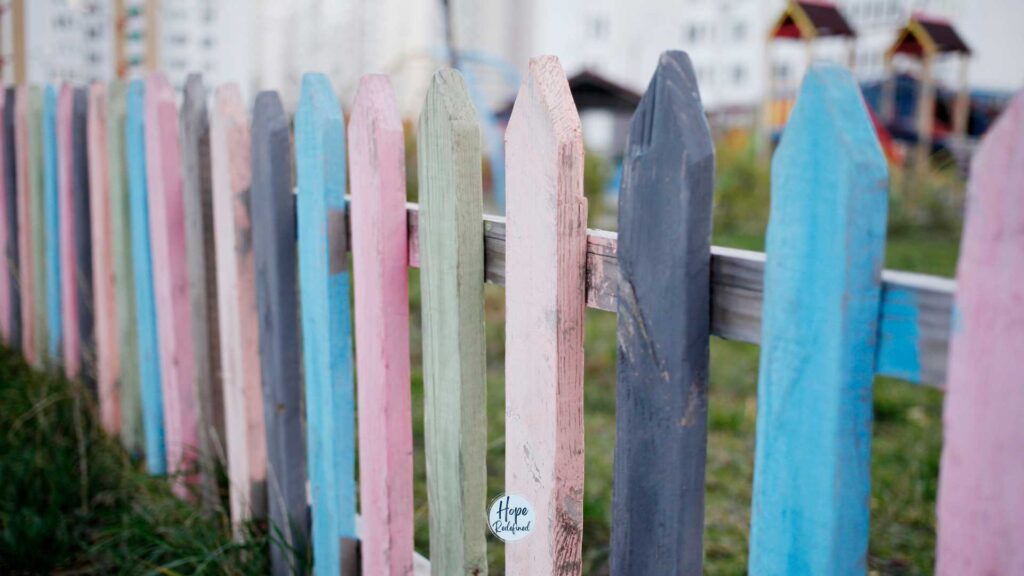
Boundaries aren’t walls. They’re invitations — to deeper self-awareness, honest communication, and relationships built on mutual respect. I’m still learning, but now I know: boundaries aren’t something we wait for others to give us. They’re something we give ourselves.
If this resonates with you, I invite you to join our brand new group, Boundaries: Discovering Value, Building Hope. In this group, we’ll explore what it means to set and maintain values-based boundaries through a biblical lens — learning how Scripture affirms both our worth and our need for healthy, God-honoring connection.
Always Traveling in Hope,
Hope Redefined Groups Director
alicia@hoperedefined.org